In the NCAA, the position of opposite is strikingly underrated compared with international volleyball. While foreign leagues and national teams often live or die by the production of their starting opposite, most of the NCAA’s top scorers and biggest names over the years have been outside hitters. Even some of today’s leading USA opposites like Jordan Thompson and Madisen Skinner spent (most of) their college days hitting on the left side.
Lately, however, it feels like the NCAA is waking up to the power of the opposite. Standout hitters like Samedy Samedy, Emily Londot, and Kendall Kipp have demonstrated the power and effectiveness of fielding a six-rotation opposite. This is possibly best highlighted by the fact that the past two National Player of the Year awards has gone to an opposite (one who, spoiler alert, is on this list) after at least a decade of only outsides, setters, and middles winning the honor.
So while outside hitters definitely still dominate year lists of top scorers in the NCAA, there are possibly more great right-side hitters in the college game than ever before. Here are who I believe to be the ten best returning to the NCAA this season.
10. Loryn Helgesen, Utah (previously Utah State)
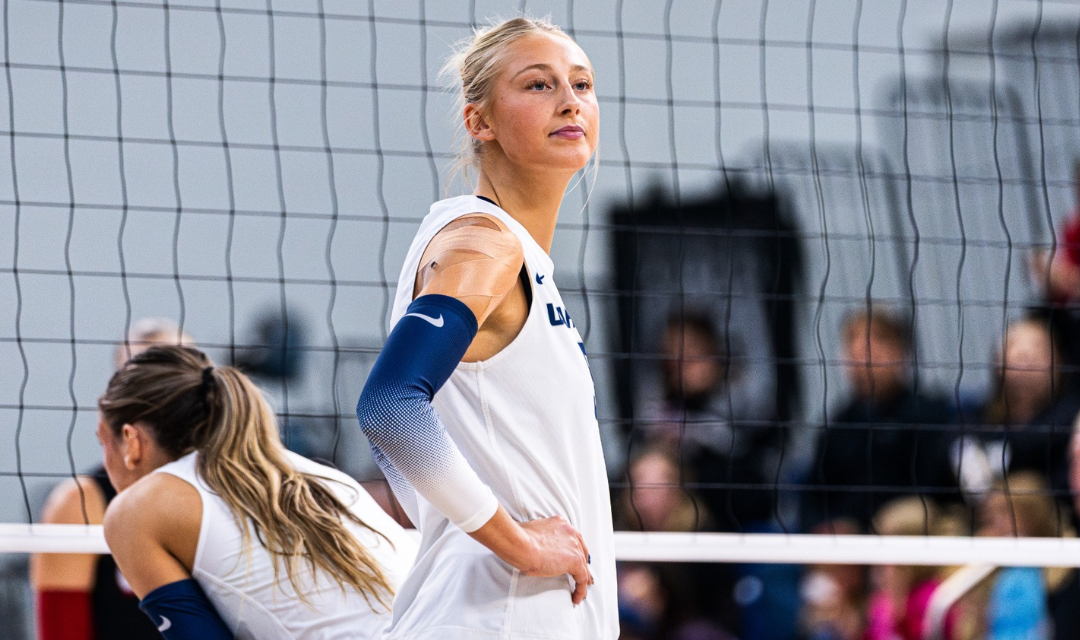
After two seasons at Utah State, Loryn Helgesen has headed about an hour south to see how her game translates to a Power 4 conference. Chances are good that Helgesen, who put together 22 matches with 10+ points, will be a day-one starter for the Utes. Some of her best performances include a 20-kill match on an absurd .704 efficiency against GCU as well as 16 kills hitting .483 to help her team win the MWC championship against Colorado State. Sure, Helgesen’s average opponent RPI may be the lowest of any player on this list, but that doesn’t tell the whole story. In the tournament, Helgesen faced two very good teams in Tennessee (RPI 25) and Arizona State (RPI 6) and put together a total of 33 kills on a .365 efficiency. If that’s what she can do against top-25 teams in must-win scenarios, then I have no doubt Helgesen will make a difference in the Big 12.
9. Chelsea Thorpe, North Carolina
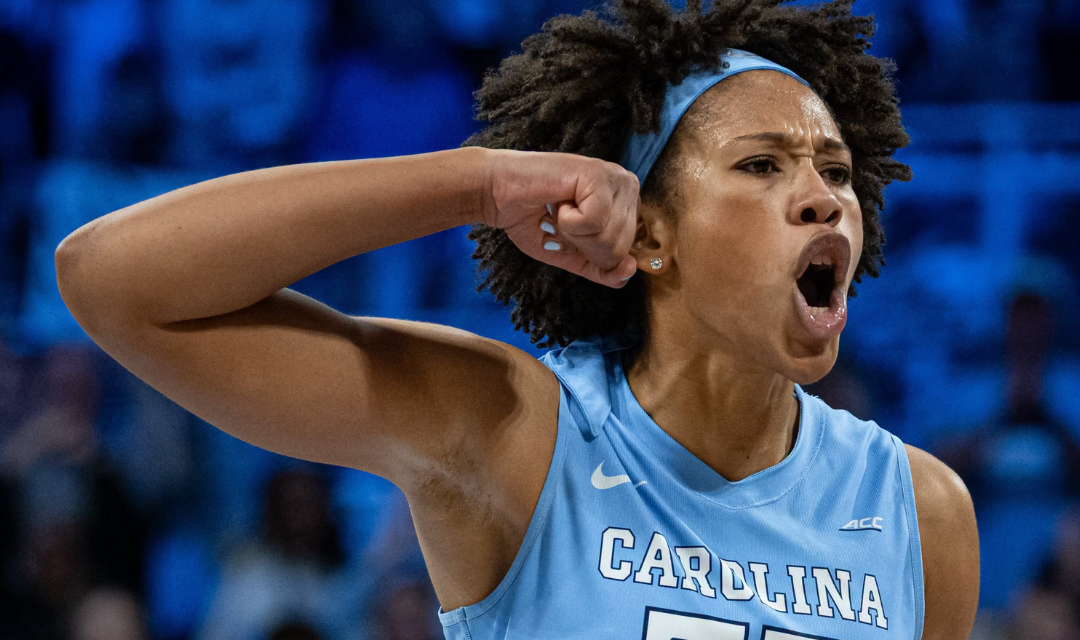
If you love fiery players with infectious energy, then Chelsea Thorpe is the opposite for you. North Carolina was one of my favorite teams to watch this season thanks to Thorpe’s big-time reactions to big-time plays, and I often found myself breaking out into a grin watching her hype up her teammates and celebrate points won. Many of those points won are thanks to Thorpe herself, as she put up double-digit points in 21 matches despite only playing front-row rotations. Thanks to disciplined blocking in addition to her strong hitting, she makes the most of her time on the court. And while her hitting percentage does drop to .215 against top-25 competitors, she actually put together some excellent performances against top teams, such as a 14-kill and .379 efficiency performance against Stanford. If not for her two performances against Miami (which appears to have been her achilles heel this past season), she’d have a hitting percentage of .253 against top-25 teams, which is pretty damn respectable.
8. Kalyssa Blackshear, Louisville
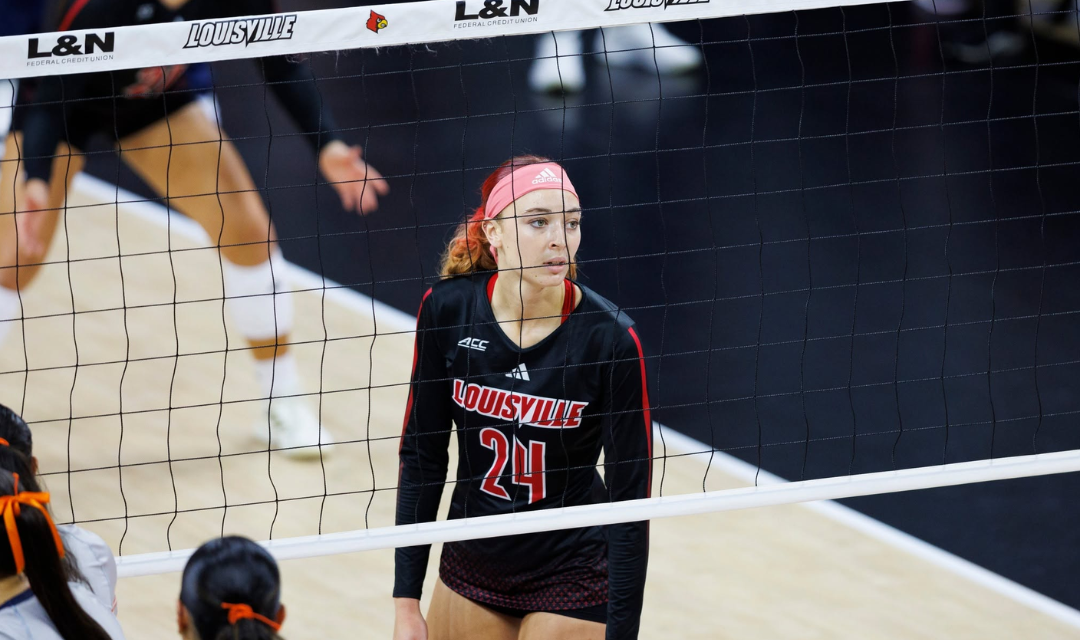
With a 6’5” stature and disciplined blocking mechanics from years of playing in the middle, Kalyssa Blackshear was a major difference-maker for Louisville in her first year. With double-digit kills in 20 matches and an average of one block per set, Blackshear ended the season as the team’s third best scorer and was voted ACC Freshman of the Year. While her most efficient matches were against lower-tier ACC squads (she hit .526 against NC State, for example), her hitting efficiency against top-25 teams still held at a respectable .247 thanks to solid performances against teams like Pitt (14 kills, .375), Stanford (10 kills, .310), and SMU (17 kills, .240). Having proven her worth at the net, whether it’s on the right side or through the much-loved (and, in my opinion, slightly overused) x-play, what’s next for Blackshear is to become a true six-rotation player. This is supposedly Dan Meske’s plan for her, so we’ll see if she gets the opportunity to play in the back row in her sophomore season.
7. Grace Heaney, Purdue
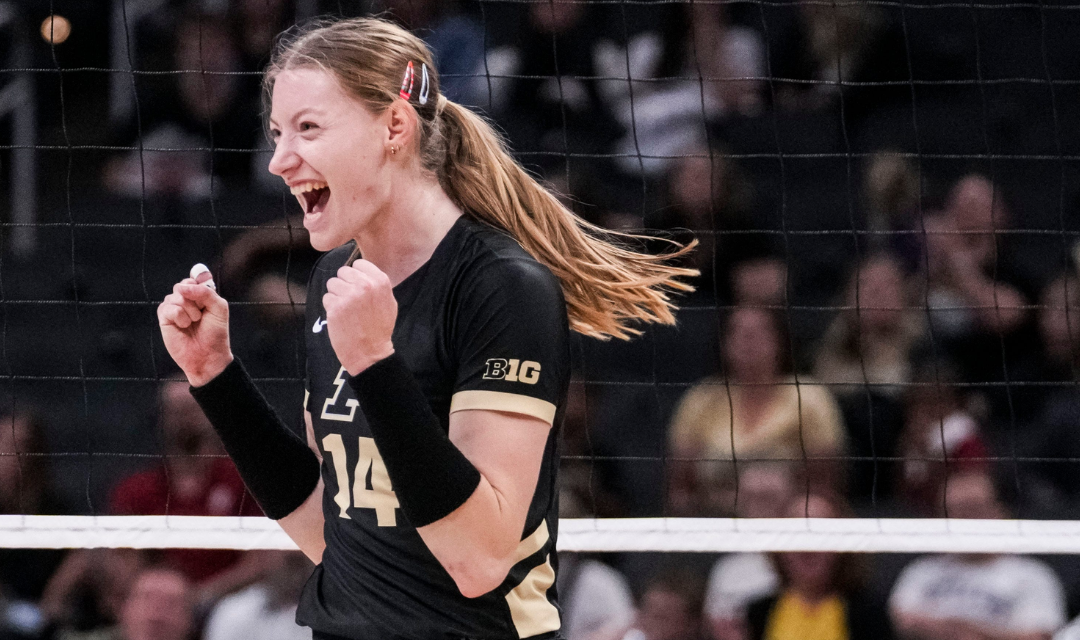
As a whole, Purdue is to thank for one of the greatest storylines from the 2025 season. The departures of core players like Eva Hudson, Chloe Chicoine, and Raven Colvin spelled trouble for the Boilermakers, but Dave Shondell wasn’t (publicly) fazed—maybe because he knew he had a secret weapon by the name of Grace Heaney.
After a fairly unremarkable freshman season followed by a redshirt year, no one outside of the Purdue gym really knew what to expect of Heaney taking on a big role. But, almost immediately, it became clear that she was the perfect complement to Kenna Wollard on the left. She made a statement early on in the season with an 18-point match against Tennessee, and was instrumental in Purdue’s upset of SMU, in which she had 19 kills hitting .515. In addition to her offense, Heaney also reliably scored via blocking, putting together just over 0.8 blocks per set and notching a season-high three solo blocks against USC. Even in matches that Purdue lost, her stat line rarely stood out as an issue; when Oregon upset the Boilermakers late in the season, she ended the match with 21 kills hitting over .500.
6. Gabi Placide, SMU (previously Ole Miss)
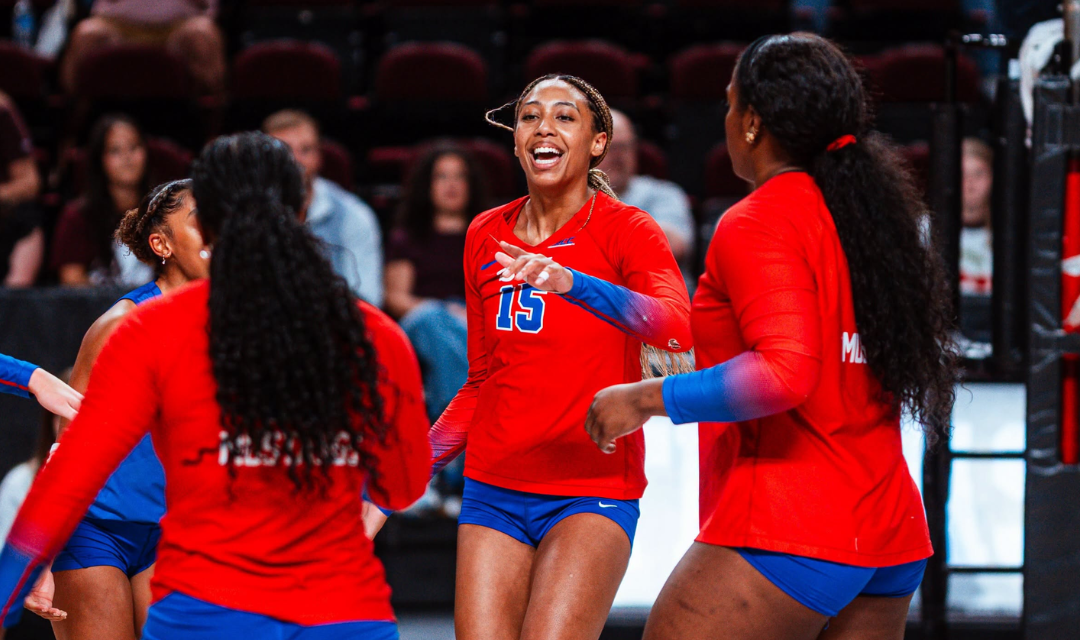
Gabi Placide’s overall hitting efficiency may not be the highest, but you can’t argue with the fact that she knows how to score points. She’s one of only 13 players in P4 conferences to average more than five points per set, and she ended the season ranking 15th nationally and third in the SEC for that statistic. All in all, she recorded double-digit points in all but three matches (all sweeps) and had 20+ points in 13 matches.
This production is undoubtedly what makes Placide the latest in a line of opposites to be plucked from lesser programs by SMU with the goal (and, so far, successful track record) of turning them into the best-performing versions of themselves. The level of competition she’ll face with the Mustangs will be similar to what she saw in the SEC, but Placide has proven she can be successful against top teams, even if it wasn’t necessarily consistent. Against Texas, Placide’s 11 points in the first set pushed the score to 33-35, and her six kills on a .556 efficiency in the third set helped force a fourth against the at-the-time undefeated Longhorns. In any case, Placide should have a whole lot more help in the scoring department from her teammates at SMU than she did at Ole Miss, so her efficiency will likely see a bump in the right direction.
5. Cari Spears, Texas
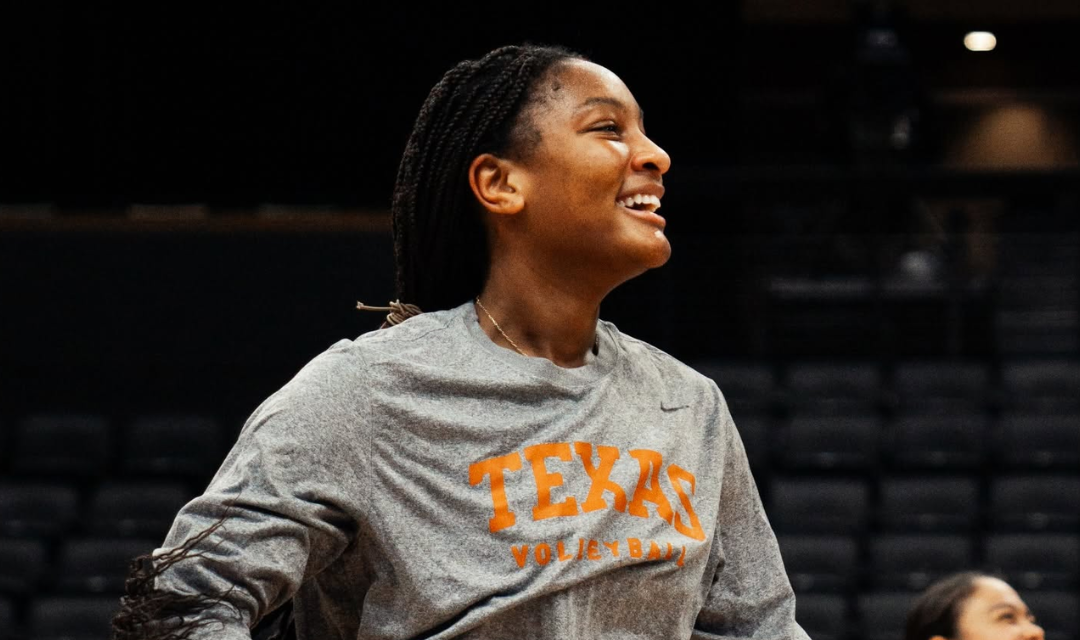
An outside converted to opposite who is arguably more effective out of the back row than in the front? Close enough; welcome back, Madisen Skinner.
Kidding. Obviously, Skinner never played opposite during her time at Texas, and Cari Spears has a way to go before she can truly be on the same level as a three-time national champion. For starters, she needs to prove she can be as effective when she doesn’t have Torrey Stafford hitting .360 on the other pin. But there were quite a few 2025 Texas matches where, in seeing Spears play, I felt like I was watching Skinner’s second coming.
The fact that Spears was able to weave her way into the starting lineup for a team as stacked as Texas and perform at such a high level while only being a freshman is remarkable. More remarkable is her ability to maintain her All-American numbers against the most competitive schedule of any team in the country. Against top-25 teams, her points per set ticked up to 3.69 and her hitting percentage remained stable at .295. If that’s what she can do in her first NCAA season, imagine what she’ll do in the years to come.
4. Alanah Clemente, Oregon
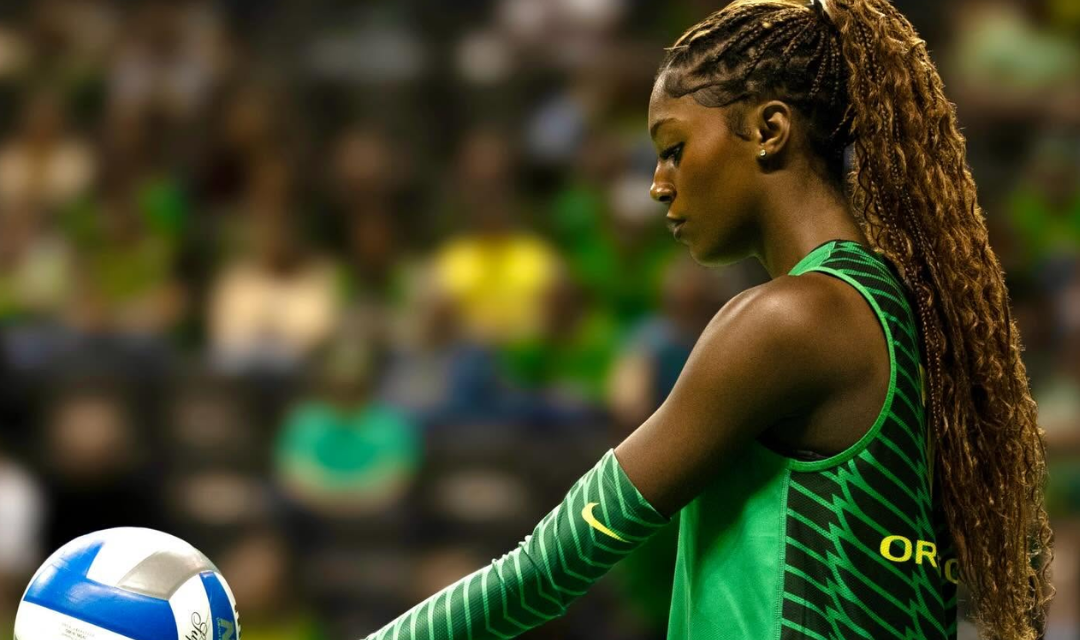
I’ll always be amazed at how Alanah Clemente went from a virtually unknown Rutgers commit to the Big Ten Freshman of the Year at Oregon. But from the moment she debuted with 11 kills on a .667 efficiency in just two sets against a not-half-bad South Dakota team, it was clear that she was something special. Following the departure of Matt Ulmer and just about every single Oregon player, things looked bleak for a Ducks squad that new head coach Trent Kersten had to pull essentially out of thin air. But even as Oregon ended the season with its worst record in quite some time, Clemente’s presence on the team indicated that Oregon was not going to be in a down period for long.
On the back of a powerful swing, a sky-high contact point, and a wicked jump serve, Clemente ended the season as the Big Ten’s fifth best scorer by points per set. She was the only freshman to place in the top ten, with the next best scoring freshman being Indiana’s Jaidyn Jager with 3.96 points per set. And, as evidenced by her team-leading 25 kills (hitting .340) against at-the-time #9 Purdue, her dominance does not fade when playing top teams. Her points per set against top-25 RPI teams actually increased to 5.48 (a jump of +0.76, the most of anyone on this list), with her efficiency only taking a -0.026 hit to be a still-respectable .243.
3. Noemie Glover, Arizona State
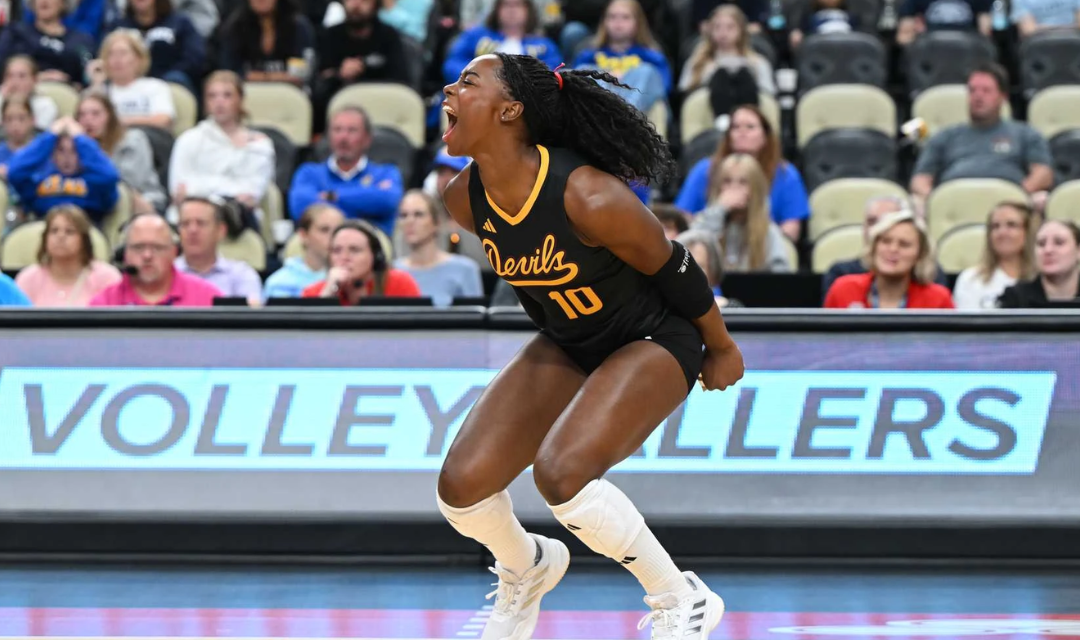
Ahead of the 2025 season, I expected Noemie Glover, fresh off a transfer from Oregon, to have a good year. What I’ll admit I did not expect was for Glover to emerge as one of the best hitters in the country. But even while spending three rotations at a time on the bench (due to the slightly perplexing but also mostly effective 6-2 that JJ Van Niel runs), Glover put up nearly five points per set on a ridiculously high hitting percentage. Of the 27 matches she played, she was held to hitting under .200 in just one, and had six matches with 10+ kills on a .500 or better efficiency. She also was absolutely devastating on the block, putting together 1.05 blocks per set, with her season-high coming in the form of 10 blocks against Penn State.
More impressively, Glover did all this while facing one of the toughest schedules of anyone in the NCAA (somewhat ironically, an injury prevented her from appearing in matches that would have dragged her opponent RPI down, though it still would have sat at 63). Her ability to maintain—and often, elevate—her performance against top teams was a huge reason for Arizona State’s success. Against top-25 teams, her points per set went up to 5.01, and her hitting percentage barely dipped, only dropping to .350. It’s too bad that she wasn’t available for the match against Texas, because it’s certainly possible that her presence on the court may have changed the outcome of Arizona State’s 0-3 loss.
2. Kennedy Martin, Penn State
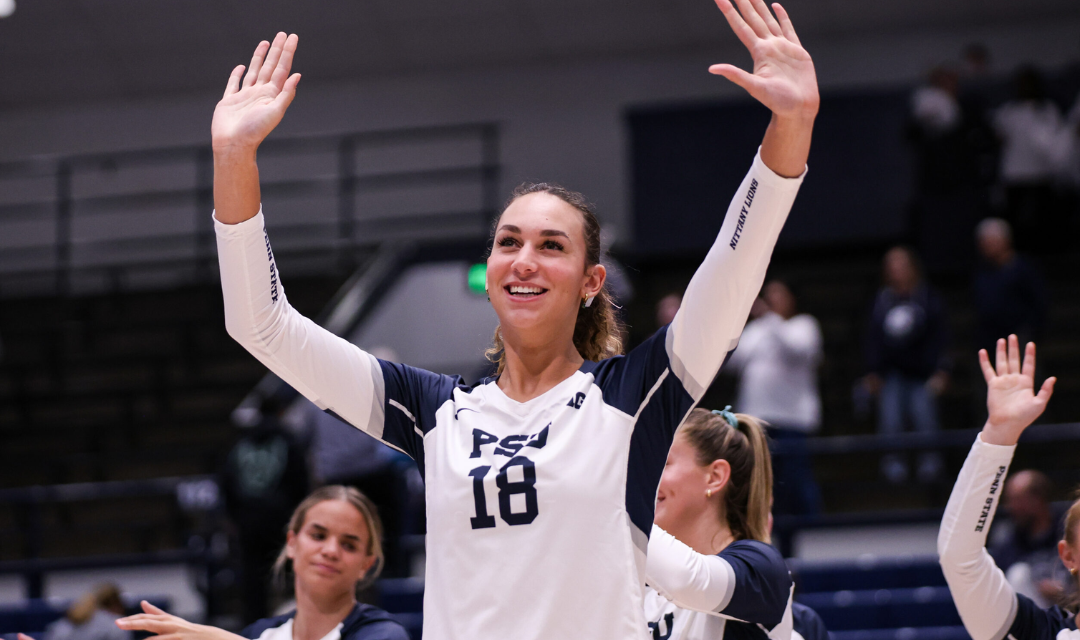
While her first season as a Nittany Lion probably didn’t quite pan out the way she was hoping, Kennedy Martin certainly was the star her team needed. Given how many times Martin had to single-handedly drag her underperforming team across the finish line of matches against teams they had no business struggling to beat, I shudder to think what Penn State’s record would have looked like in an alternate universe where Mary Wise waited another year to retire and Martin stayed in Gainesville (note: in this alternate universe I’m cooking up, Flormarie Heredia Colon also stays at Florida. Together she and Martin put up something ridiculous like a combined 15 points per set, and Florida wins Mary Wise her well-deserved national championship).
I don’t want to harp on the problems that Penn State had last season too much because it’s been discussed to death, but the fact that no one else on the team could put the ball down only highlighted just how impressive Martin’s attacking is. Even with everyone in the arena knowing that she’s going to get the vast majority of sets, she still was able to score thanks to a mix of smart shot selection and pure athleticism. She made scoring 30+ points in a match look easy, to the point that she did it eight times last season.
If not for the disappointing record that Penn State ended up putting together, Martin would have doubtlessly been the Big Ten Player of the Year, and may have even had a shot at beating out this list’s #1 for National Player of the Year. Let’s see if the Nittany Lions can help make that happen in 2026.
1. Olivia Babcock
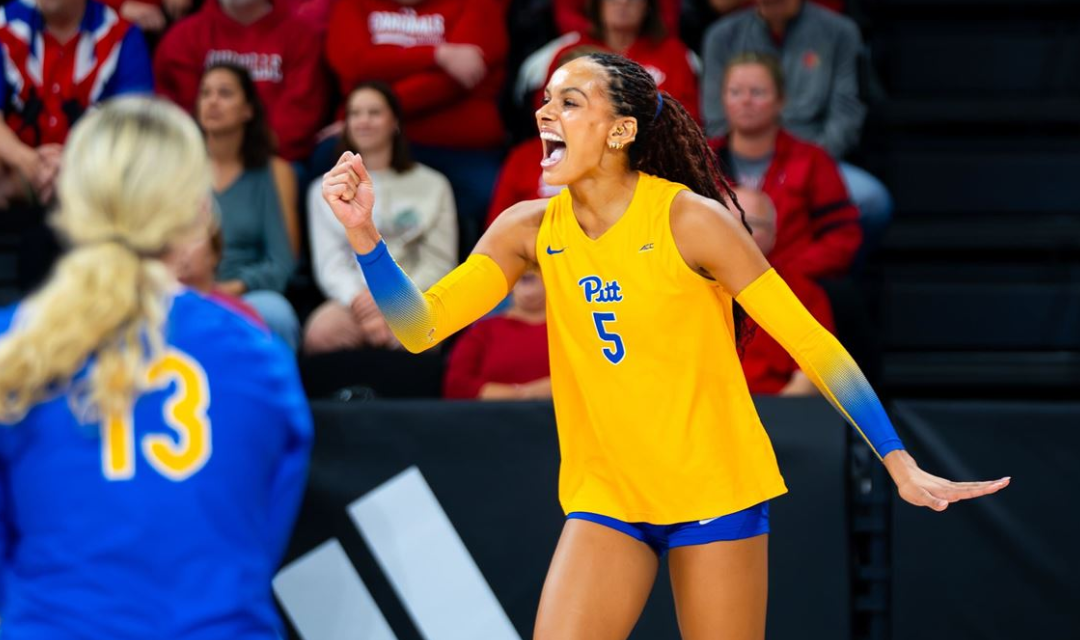
Is anyone surprised? I’d hope not.
In three years, Olivia Babcock has completely rewritten the record books at Pitt and joined an exclusive list of players to be named National Player of the Year twice. Since being named the National Freshman of the Year in 2023, she has continually elevated her game to the point that she is now a sensational all-around player who can attack, block, serve, and dig at an elite level. Like others on this list, she knows what it’s like to be the only person on her team who can reliably score, and it never seems to faze her—even when taking 45+ swings in a match, rarely does her hitting efficiency drop below .300.
If anyone out there thinks that Babcock’s numbers come from bullying bottom-half ACC teams, let me quickly dispel them of that notion. Her production doesn’t just hold steady against top competition; it improves. Against the 13 top-25 teams that Babcock played against this year, she averaged 6.57 points per set (+0.60 compared to her overall stats) on a .351 efficiency (+0.017). In the 19 matches in which she scored 20 or more points, 11 of those were against top-25 opponents, and she hit over .330 in all but two of those matches. And she doesn’t just do it via attacks; her blocking is exceptional, with her blocks per set sitting just under one. Of course, some of that is thanks to blocking next to Bre Kelley, but one need only watch Babcock play to know that she’s responsible for more than her fair share of those.
With 5-for-5 now in effect, the prospect of two more years of Babcock should terrify the rest of the NCAA. Whether or not she elects to take that fifth year is unknown at this time, but what is clear is Babcock’s determination to bring a national championship to Pitt. After three consecutive losses in the national semifinals (five if you count Pitt’s two appearances prior to Babcock joining the team), Babcock’s determination to win it all should make for an electric senior season.